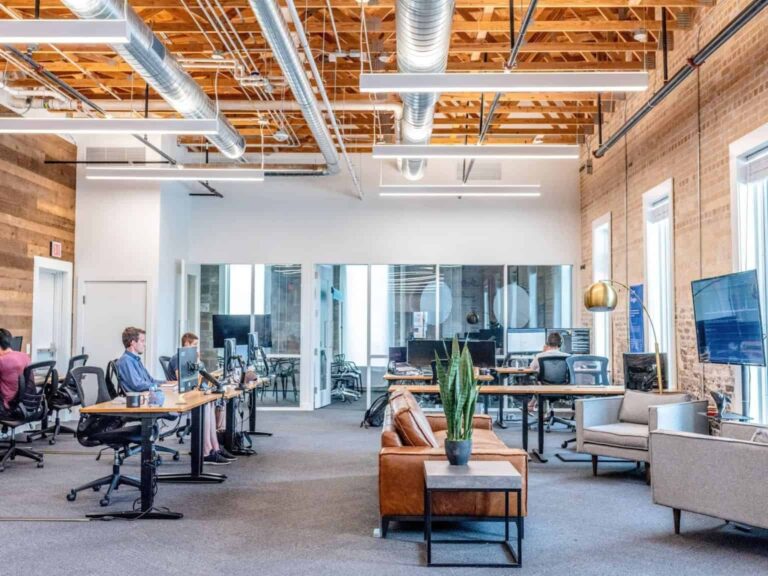
The Rise of Flexible Workspaces in India: How Startups Are Redefining the Modern Workplace
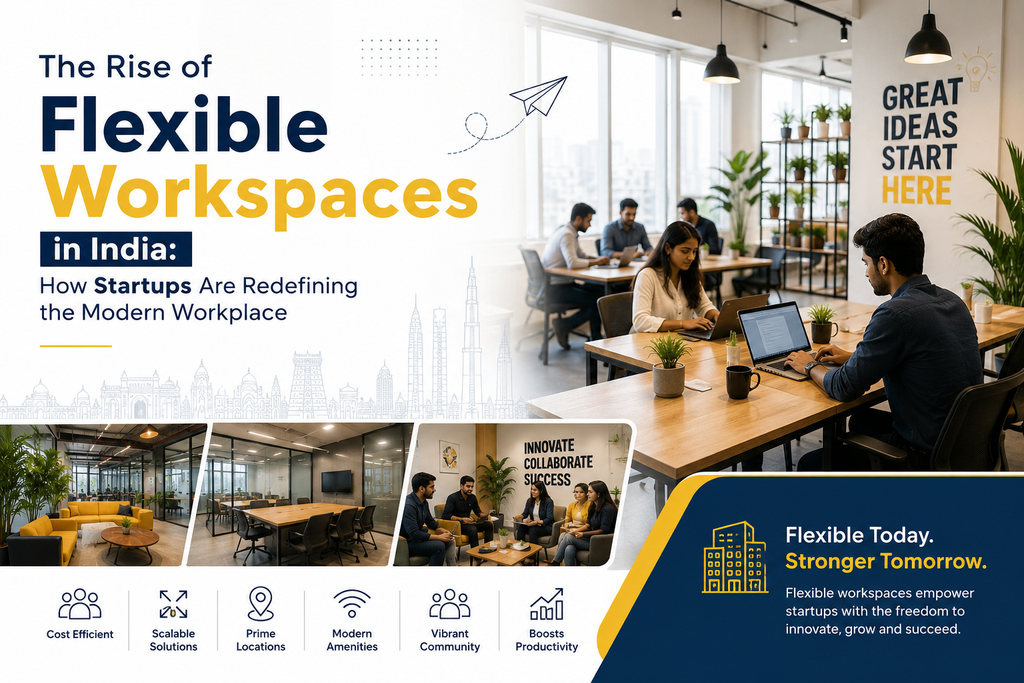
India’s startup ecosystem is changing the way businesses think about offices. From traditional long-term leases to coworking spaces, managed offices and hybrid workplaces, companies are increasingly choosing flexibility, scalability and convenience. Flexible workspaces are no longer just an option for freelancers or small teams—they have become an important part of India’s modern business environment.
Why Flexible Workspaces Are Growing
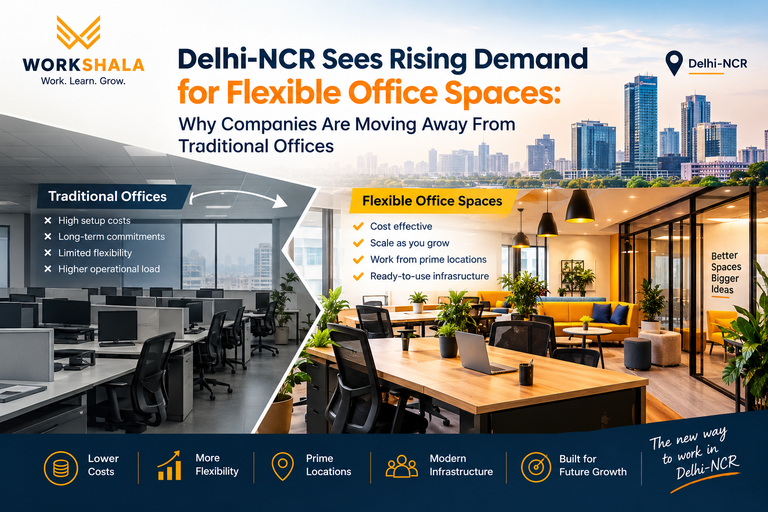
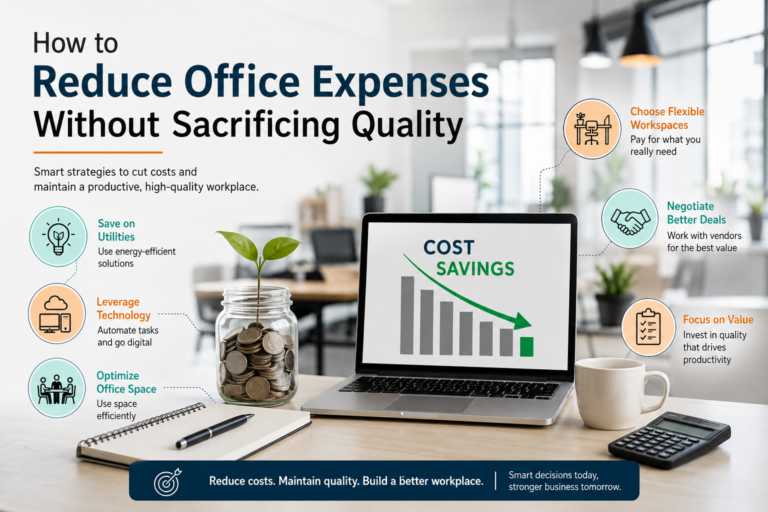
Startups often need to control costs while remaining ready to expand quickly. Setting up a traditional office can require significant investment in interiors, furniture, technology, maintenance and long-term leases. Flexible workspaces provide a ready-to-use alternative where businesses can access professional offices without taking on the same level of upfront investment.
The trend is reflected in recent market data. Flexible workspace operators leased 191,306 seats across India’s top eight cities in H1 2026, representing a 68.4% year-on-year increase. Flexible operators also accounted for nearly 20% of overall office leasing during the period.
Startups Want More Than Just a Desk
Today’s startups expect their workplace to support productivity, collaboration and company culture. Modern coworking spaces offer private cabins, meeting rooms, high-speed internet, reception services, breakout areas and professional business environments.
This allows founders and teams to focus on their core business rather than spending time managing office infrastructure. For growing companies, the ability to increase or reduce workspace according to team size is another major advantage.
Supporting Hybrid and Distributed Teams
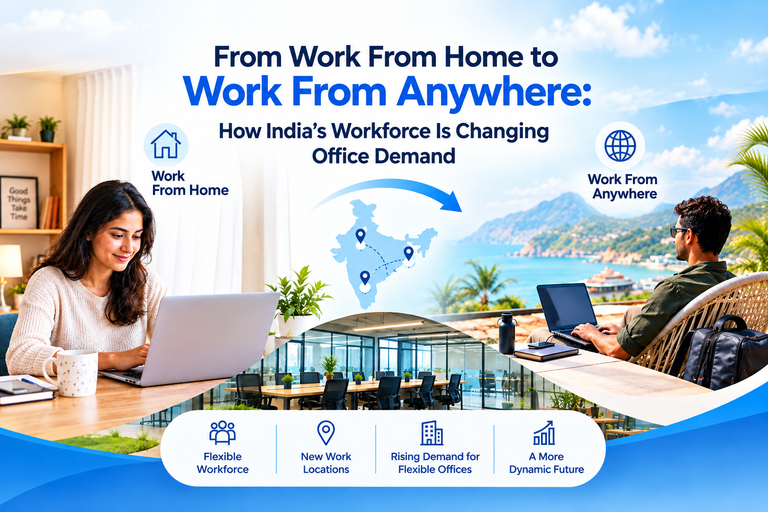
Hybrid work has become an important part of the modern workplace. Employees may divide their time between home, client locations and offices, creating demand for workplaces that can adapt to changing schedules.
Flexible workspaces allow startups to provide employees with professional work environments without maintaining large offices that remain underutilized. Businesses can choose dedicated desks, private cabins, meeting rooms or managed offices based on their requirements.
Flexibility Helps Startups Scale
One of the biggest advantages of flexible workspaces is scalability. A startup may begin with five or ten employees and grow to dozens of employees within a short period. Instead of relocating every time the team expands, businesses can often add more seats or move into a larger office within the same flexible workspace ecosystem.
This agility is particularly valuable for startups operating in competitive markets where speed and cost efficiency can directly influence growth.
The Future of Work in India
Flexible workspaces are evolving from simple coworking centres into complete workplace solutions. According to CBRE, businesses are increasingly integrating flexible workspaces into long-term real estate strategies for scalability, standardisation and operational efficiency.
For Indian startups, the modern office is no longer defined by a fixed address or a long lease. It is defined by flexibility, technology, collaboration and the ability to adapt.
As India’s startup ecosystem continues to expand, flexible workspaces will play an increasingly important role in helping businesses launch, grow and scale. The future of work is flexible—and Indian startups are helping shape it.