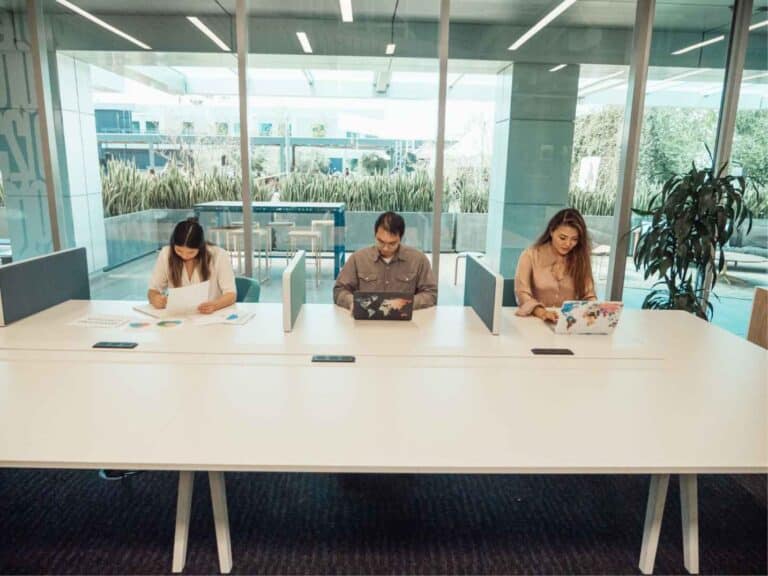
Smart Offices and AI-Powered Workspaces: Emerging Trends in India’s Coworking Industry
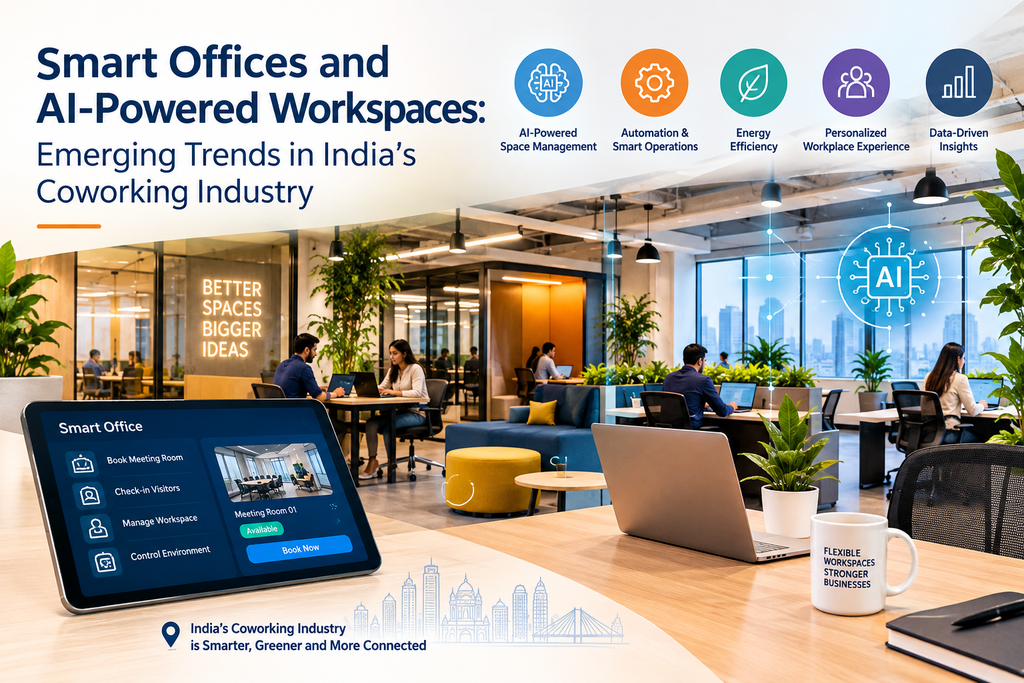
India’s coworking industry is evolving rapidly as businesses adopt smarter, more flexible, and technology-driven office solutions. Traditional workspaces are gradually transforming into intelligent environments that combine modern infrastructure, automation, and artificial intelligence (AI). From startups to multinational companies, businesses are increasingly exploring smart offices to improve productivity, reduce operational costs, and create better workplace experiences.
As demand for flexible office spaces continues to grow, AI-powered technology is emerging as an important trend shaping the future of coworking in India.
What Are Smart Offices?
Smart offices use advanced technologies such as artificial intelligence, the Internet of Things (IoT), automation, and cloud-based systems to manage workplace operations efficiently. These technologies help businesses optimize resources, improve employee comfort, and simplify everyday office activities.
In coworking spaces, smart office solutions can include automated lighting, intelligent climate control, digital visitor management, app-based meeting room bookings, and occupancy monitoring. These features make workplaces more convenient, efficient, and adaptable to changing business requirements.
How AI Is Transforming Coworking Spaces
Artificial intelligence is introducing new possibilities for coworking operators and their members. Some important applications include:
1. Smart Space Management
AI-powered systems can analyze occupancy patterns and workspace usage. Operators can use these insights to manage desks, meeting rooms, and private cabins more effectively. This helps reduce unused space and improve resource allocation.
2. Automated Office Operations
Automation can simplify routine tasks such as visitor registration, access management, meeting room scheduling, and facility monitoring. By reducing manual work, coworking operators can focus more on customer service and member satisfaction.
3. Personalized Workplace Experiences
Smart workplace systems can help create more comfortable environments by adjusting lighting, temperature, and other settings according to occupancy and user preferences. These improvements can support employee comfort and productivity.
4. Data-Driven Decision-Making
AI analytics can provide insights into workspace demand, peak usage hours, energy consumption, and operational performance. Coworking businesses can use this information to make informed decisions about pricing, capacity planning, and future expansion.
Benefits for Businesses and Employees
AI-powered coworking spaces offer several potential advantages. Startups can access modern office infrastructure without investing heavily in technology and facility management. Small and medium-sized businesses can choose flexible workspace options that suit their changing team sizes.
For larger organizations, smart offices can support efficient space utilization, better workplace management, and a more consistent employee experience.
Energy-efficient automation can also help reduce unnecessary electricity consumption. Meanwhile, digital booking systems and automated services make daily office activities more convenient.
These benefits make smart coworking spaces an attractive option for businesses seeking flexibility alongside professional infrastructure.
India’s Growing Opportunity
India’s expanding startup ecosystem, growing technology sector, and increasing demand for flexible office solutions are creating opportunities for smarter coworking environments. Business hubs such as Bengaluru, Delhi-NCR, Hyderabad, Mumbai, and Pune are important markets for flexible workspace providers.
Companies are looking beyond basic desks and cabins. They increasingly value reliable internet connectivity, secure access systems, modern meeting facilities, and technology-enabled office management.
Coworking providers in locations such as Noida and Gurgaon can strengthen their offerings by combining flexible workspace plans with practical smart office features. This approach can appeal to startups, IT companies, consulting firms, and businesses managing distributed teams.
Challenges and Considerations
Despite its advantages, adopting AI technology requires investment, regular maintenance, and trained personnel. Data privacy and cybersecurity are also essential, particularly when systems collect information about employees, visitors, or workspace usage.
Coworking operators should introduce technology according to their business needs, protect sensitive information, and ensure that digital systems remain easy to use.
Conclusion
Smart offices and AI-powered workspaces represent an important direction for India’s coworking industry. By combining flexible work arrangements with automation, intelligent space management, and data-driven insights, coworking providers can deliver more efficient and convenient workplace experiences.
As businesses continue to embrace digital transformation, technology-enabled coworking spaces are well positioned to evolve beyond traditional shared offices. Providers that balance innovation, affordability, security, and customer needs can build stronger workplace solutions for India’s changing business environment.