India Becomes a Global Leader in Flexible Workspaces: What the 2026 Data Reveals

Introduction
India’s commercial real estate sector is experiencing a major transformation in 2026, with flexible workspaces becoming an increasingly popular choice for startups, established businesses, freelancers, and multinational companies. Coworking spaces, managed offices, and private cabins are changing how companies approach workplace planning.
As businesses focus on flexibility, cost efficiency, and employee productivity, India is strengthening its position as an important market for flexible office solutions. This shift reflects changing business priorities and the growing demand for adaptable work environments.
1. India’s Flexible Workspace Market Continues to Grow
India’s flexible workspace industry has expanded significantly over recent years. Major business centres such as Delhi-NCR, Bengaluru, Mumbai, Hyderabad, Pune, and Chennai are attracting companies looking for modern office infrastructure without the long-term commitments associated with traditional leases.
In 2026, flexible workspaces remain an attractive option for businesses that want to establish offices quickly, expand operations, or test new markets. The industry’s growth is supported by startup activity, corporate expansion, and the increasing acceptance of hybrid working models.
2. What the 2026 Data Reveals
Market reports and commercial real estate trends point towards continued interest in flexible office formats. Rather than focusing only on the number of coworking seats, businesses are increasingly evaluating occupancy costs, location, amenities, and scalability.
Several important trends are shaping the market:
- Rising corporate demand: Large companies are exploring flexible offices for project teams, regional operations, and satellite offices.
- Expanding coworking networks: Operators are developing workspaces in established business districts and emerging commercial locations.
- Greater demand for managed offices: Businesses increasingly prefer ready-to-use offices with essential infrastructure and operational support.
- Flexible leasing models: Companies are looking for workspace arrangements that can adapt to changing team sizes and budgets.
These trends suggest that flexible workspaces are becoming a strategic business solution rather than simply an alternative to traditional offices.
3. Why Global Companies Are Choosing India
India offers a combination of skilled talent, expanding business opportunities, and established commercial hubs. Flexible workspaces help international companies enter Indian markets without immediately investing in large, permanent offices.
Businesses can access furnished workstations, meeting rooms, internet connectivity, reception facilities, and private office areas through workspace providers. This reduces the time and effort required to establish a functional workplace.
For companies managing distributed teams, flexible offices also provide professional environments where employees can collaborate, meet clients, and work productively.
4. Technology and Hybrid Work Are Driving Change
Technology is playing an important role in the evolution of coworking spaces. High-speed internet, digital access systems, online booking platforms, and smart meeting rooms are improving the workplace experience.
Hybrid working has also encouraged businesses to reconsider how much permanent office space they need. Instead of maintaining large offices that remain partially unused, companies can choose flexible arrangements that better match their actual requirements.
This approach can improve space utilisation while giving employees greater flexibility in where they work.
5. Delhi-NCR Is Becoming an Important Flexible Workspace Hub
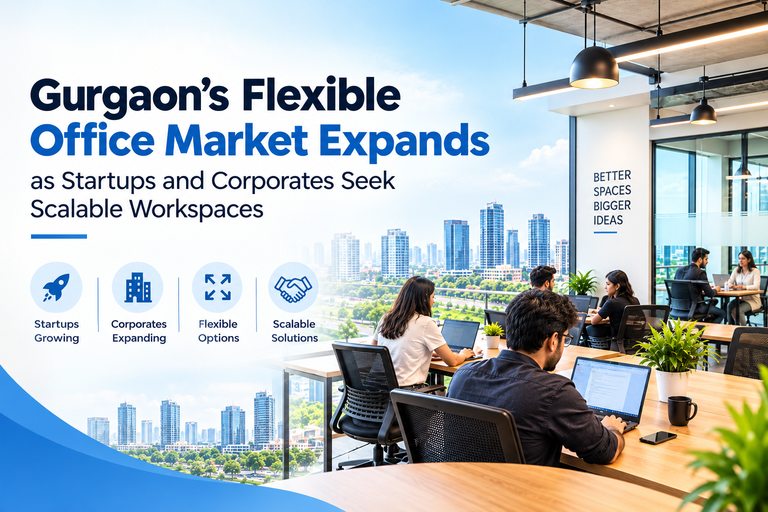
Delhi-NCR, including Gurgaon and Noida, is an attractive destination for businesses seeking flexible office solutions. Gurgaon offers access to corporate headquarters, technology companies, and Global Capability Centres, while Noida attracts startups, IT firms, and businesses looking for cost-effective commercial spaces.
According to Cushman & Wakefield, Delhi-NCR recorded a 152.7% year-on-year increase in flexible workspace seat leasing in the first half of 2026, highlighting strong regional momentum.
For businesses operating in these locations, coworking spaces provide convenient access to office infrastructure without the complexity of setting up an independent workplace.
Conclusion
India’s flexible workspace industry is entering a new phase of growth in 2026. Rising corporate demand, expanding Global Capability Centres, and changing workplace preferences are helping the country strengthen its position in the global market.
For startups, growing companies, and established enterprises, flexible offices offer a practical way to manage costs, support collaboration, and scale operations. As the industry evolves, coworking and managed office solutions are likely to become an increasingly important part of India’s commercial real estate landscape.
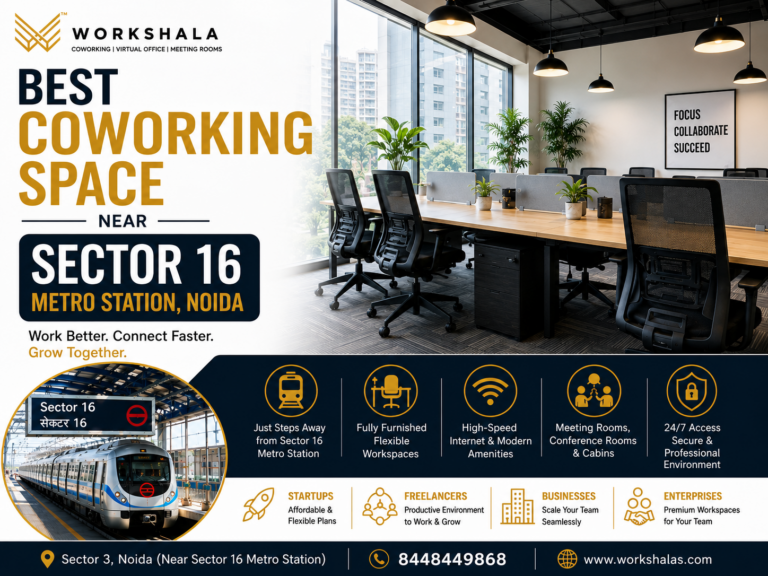
Looking for a flexible workspace in Gurgaon or Noida? Workshala offers coworking desks, private cabins, and office solutions designed to support businesses of different sizes. Explore workspace options at www.workshalas.com.