Why Coworking Spaces Are the Future of Work in India

India is experiencing its biggest ever workplace revolution. It’s time to bid farewell to the conventional office environment comprising permanent desks, hefty rents, and inflexible working hours for business operations. What defines the future of work now? Flexibility, teamwork, and economical workspace solutions, among other things.
Coworking spaces have emerged as a game-changer in the country. Whether you’re a freelancer, startup, or corporate organization, coworking is becoming your ideal choice to work from in India. With hybrid workplaces taking off in the country and a new generation of entrepreneurs emerging, coworking spaces will likely become the future of workspaces in India.
Hybrid Work: The New Way of Working
The outbreak of the coronavirus has not only impacted our mode of working but has altered the expectations of organizations regarding employee work.
In today’s world, hybrid working has been adopted by all major corporations across the country, including Tata Consultancy Services and Infosys.
Why Hybrid Working Model Is A Successful Approach
• Employees benefit from improved work-life balance
• Organizations save on operational expenditure
• Productivity improves because of increased flexibility
However, remote working may have some drawbacks as well, such as increased distractions at home and loneliness. This is where coworking spaces help.
Coworking & Hybrid = The Ideal Combination
What does a coworking space offer?
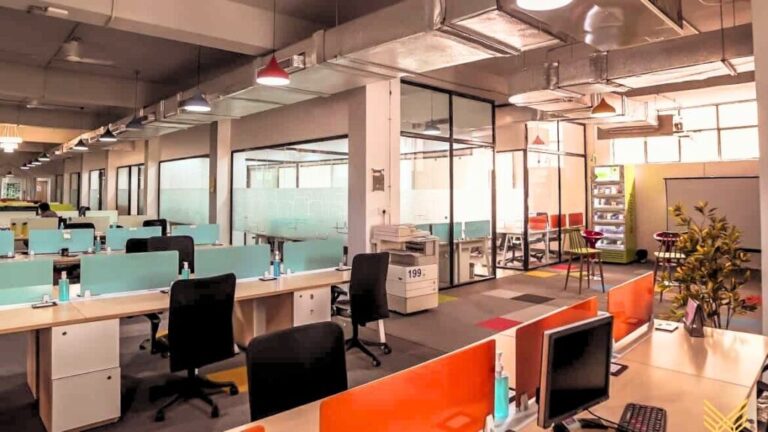
• Professional workspaces
• Versatile access options (daily, weekly, monthly)
• Workspaces nearer to their homes
It is the ideal fit for hybrid workforces that do not require an office but need to work in an efficient environment.
Cheaper Than Traditional Workspaces
One of the main reasons why many firms are switching to coworking spaces is because of the cost factor.
Traditional Workspace Problems
Establishing a traditional office requires:
• High initial investment (rent, deposit, decor)
• Long-term contracts
• Maintenance fees
• IT infrastructure costs
For young companies, this might be financially challenging.
Why Do Startups Choose Coworking Spaces?
India has one of the most rapidly evolving startup ecosystems globally. As per the recent trends, there are thousands of startups launched annually, many of which start from coworking spaces.
1. Scalability Options
Startups can grow rapidly, and sometimes they may require 5 seats one month and 20 seats the next month.
Coworking spaces provide options such as:
• Expand or contract easily
• Do not require moving
• Have access to different locations
2. Networking Possibilities
Coworking spaces are not only offices but also communities.
The advantages for startups include:
• Met like-minded people
• Work with other teams
• Client, partner, and investor connections
Many fruitful collaborations and business deals take place in coworking settings.
3. Professional Appearance
For startups at their early stages, having an office location and meeting room provides them with professionalism.
Coworking spaces offer:
• High-end office space
• Professional reception
• Convenient conference room facilities
It helps startups gain client and investor trust.
4. Access to Facilities
Coworking spaces have everything necessary to ensure efficiency, including high-speed internet, coffee machines, and breakout areas.
Startups do not have to bother about:
• Office maintenance
• Utilities
• Setting up equipment
All these facilities are managed, providing startups time for growth.
Boost in Productivity and Creativity
Working in isolation can reduce motivation and creativity. Coworking spaces solve this problem by creating an energetic and collaborative atmosphere.
Benefits of a Shared Workspace
- Exposure to new ideas
- Increased motivation
- Better focus compared to home
- Opportunities for collaboration
Being surrounded by driven professionals naturally enhances productivity.
Expansion Beyond Metro Cities
Coworking is no longer limited to big cities. It is rapidly expanding into Tier 2 and Tier 3 cities like Jaipur, Indore, Lucknow, and Chandigarh.
Why This Matters
- Talent is no longer concentrated in metros
- Remote work allows employees to stay in hometowns
- Businesses can tap into new markets
Coworking spaces in smaller cities provide:
- Affordable workspace solutions
- Access to professional infrastructure
- Opportunities for local entrepreneurs
This expansion is playing a key role in decentralizing India’s workforce.
The Future of Coworking in India
The future looks incredibly promising for coworking spaces in India.
Key Trends to Watch
- Growth of Hybrid Work
More companies will adopt flexible work models - Expansion in Smaller Cities
Coworking will reach deeper into India - Customization of Workspaces
Tailored solutions for different industries - Integration with Technology
Smarter, more efficient work environments - Community-Driven Workspaces
Stronger focus on networking and collaboration